

Heal Your Inner Child: A Visualization Exercise for Emotional Awareness and Self-Compassion
Inside of each of us lives a younger version of ourselves. It still carries the joy, curiosity, and imagination you once had as a child. It also carries the moments you felt hurt, misunderstood, excluded, or scared.
Many adults move through life without realizing how much this younger self still influences their actions and reactions. You might suddenly feel overwhelmed, defensive, or deeply hurt in situations that seem small on the surface. When that happens, it’s often your inner child responding to something that echoes an earlier emotional experience.
The inner child visualization is a Somatica Tool that helps you reconnect with this younger part of yourself. Instead of analyzing your past from a distance, you enter the memory with curiosity and compassion. Through this process, you can begin your inner child healing and relate differently to the challenging emotional patterns that still affect you today.
This practice is not about reliving pain. It’s about meeting the younger version of yourself with an understanding, care, and protection that may have been missing.
What Is the Inner Child — and Why Does It Still Shape Me?
You may have heard the phrase before and wondered – what is the inner child?
Psychologically, the inner child represents the emotional and relational experiences you had while growing up. The ways you learned to cope with disappointment, criticism, loneliness, or rejection often become the templates your nervous system still uses today.
As a child, you were dependent on others for love, safety, and guidance. You did not yet have the emotional tools or perspectives you have now. When something painful happened, your young mind did the best it could to survive and make sense of the experience.
Those early adaptations helped you get through difficult moments. At the same time, they can leave behind core emotional wounds and protective strategies that still influence your reactions in adulthood.
For example, if you felt ignored or unimportant as a child, you might now be highly sensitive to signs of rejection. If you were criticized often, you might carry a harsh inner voice that judges your mistakes. These patterns are sometimes described in inner child therapy as the lasting effects of inner childhood trauma or unresolved childhood wounds.
The goal of healing the wounds of childhood is not to erase your past. It’s to build a new relationship with the younger part of yourself so those experiences no longer control your reactions.
This inner child visualization exercise helps you begin that process.

The Inner Child Visualization Exercise
Note: If you’ve experienced severe trauma that has not yet been processed, working with a therapist trained in inner child healing may be a supportive first step.
Ready to try? If you are doing this exercise for the first time, it can help to start with a memory that feels manageable rather than overwhelming.
To begin the inner child visualization, find a quiet space where you can sit or lie down comfortably.
Close your eyes and take a few slow breaths. Allow your chest to expand as you inhale and soften as you exhale. Let your breath move down into your stomach and relax your stomach muscles. Now let the breath go all the way toward your pelvic floor.
As your body begins to relax, imagine that you are slowly turning the pages of the album of your life. Let yourself see different childhood memories roll by until your awareness lands on a specific moment where you felt hurt, excluded, disappointed, or confused. It might be a time when you felt left out, misunderstood, or alone.
Once you arrive in the memory, let yourself experience it as if it were happening right now.
Notice where you are.
Notice who is there with you.
Pay attention to the sights, sounds, and smells around you.
What are you wearing? What does the environment feel like?
Is it day or night?
Let the memory become a multi-sensory experience.
Now notice the emotions present in that moment. Perhaps there is sadness, anger, confusion, or fear. See if you can also notice how those emotions show up in your body. You might feel tightness in your chest, a knot in your stomach, heaviness in your shoulders, or a sense of emotional numbness.
Once you feel fully present inside your younger self and in this experience, imagine that your adult self enters the scene.
Your adult self approaches this child with kindness and care. Instead of judging what happened, you simply listen to the child and ask them what they want or need from the adult.
Perhaps the child wants a hug.
Maybe they want someone to sit quietly and listen.
Perhaps they want reassurance that their feelings make sense.
Give your inner child exactly what it needs at that moment. You might imagine picking the child up, hugging it, speaking gentle words, or simply sitting beside it with warmth and attention.
The goal of this inner child visualization exercise is to help your inner child feel you are there with them now, ready to care for them, and be their advocate out in the world.

Responding With Self-Compassion Instead of Criticism
Many people discover that when they first meet their inner child, a critical voice appears. You might hear thoughts like “you’re being dramatic” or “you should be over this by now.”
This voice often developed as a survival strategy earlier in life. But during the inner child visualization, you can choose to respond differently.
Instead of repeating old criticism, you can offer love, support, and understanding.
You might say something like:
“Of course you felt hurt. You were all alone in that situation with no adult to help you.”
Or “I’m here with you now. Your feelings matter to me.”
These simple acts of empathy for your younger self can begin healing the wounds of childhood in powerful ways.
When the younger part of you feels seen and supported, your nervous system begins to relax. Over time, this practice can help to heal emotional wounds and reduce the intensity of your reactions in the present.
This is why many approaches to inner child healing therapy and coaching focus on cultivating self-acceptance rather than forcing change.
You are not trying to fix the child inside you, you are building a relationship with them that can last the rest of your life.
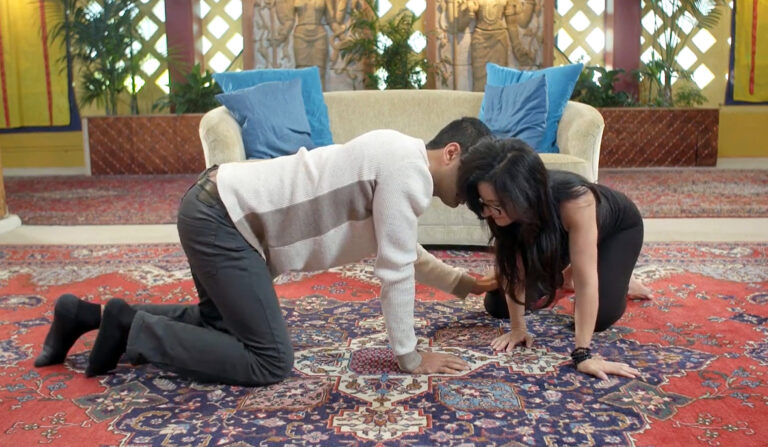
Watch this Somatica Session, where I work with a client to address her inner child:
How This Practice Supports Inner Child Healing in Adult Relationships
The benefits of inner child visualization exercises often show up most clearly in your relationships.
When an argument, disappointment, or misunderstanding happens, the younger part of you may still react first. You might feel a sudden surge of fear, anger, or sadness that seems larger than the situation itself.
When you have an ongoing relationship with your inner child, you begin to recognize these moments more quickly.
Instead of reacting automatically, you can pause and ask yourself what the younger part of you might be feeling.
Are they afraid of being abandoned?
Are they worried about being criticized?
Do they feel invisible or unimportant?
By recognizing these patterns, you can respond with care rather than defensiveness. You can help your inner child re-regulate. You can advocate for your inner child’s needs out in the world. This shift supports deeper embodied intimacy with the people you love.
Over time, regularly practicing inner child healing exercises like this one helps you develop greater self-acceptance and emotional awareness. Many people find that they become less reactive and more capable of expressing their needs directly.
The younger part of you no longer has to fight so hard to be heard. Instead, you become the person who listens and speaks up. When that happens, something inside you begins to feel safer, more connected, and more whole.
What You Should Do Next
The Inner Child Visualization is just one in our stable of incredible Somatica tools.
If you want to explore more, we have some juicy resources for you:
- If you do not have severe trauma, or have already worked through it with a trauma therapist, and are ready to move towards sex and intimacy coaching, you may want to work with a Certified Somatica Coach. They can guide you through a custom inner child visualization as part of learning how to have deeper and more fulfilling sexual experiences and relationships.
- Diver deeper by taking the Embodied Practices course
- Wanna super charge your learning and empower others to heal their inner child? Become a Certified Somatica Coach!
We respect your privacy and won’t share your information with 3rd parties. Privacy policy.
At Your Core™ Quiz
Discover your Core Strategy, your Core Desires, and the deeper patterns shaping how you love, relate, and move through the world.
We respect your privacy and won’t share your information with 3rd parties. Privacy policy.